
Optimizing Meeting-Free Days for Productivity
Dec 12, 2025
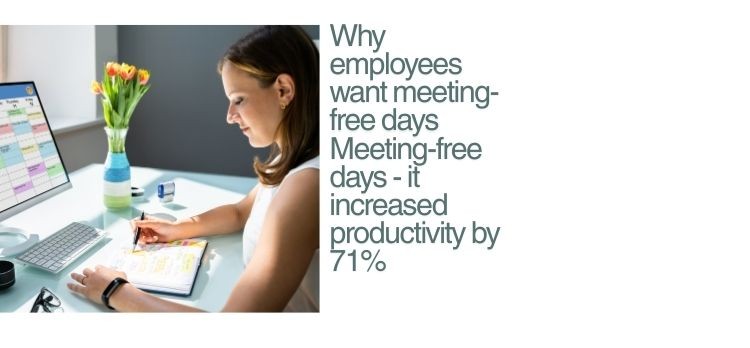
Many organizations adopt no-meeting days to combat excessive meetings, which consume over 85% of knowledge workers' time and harm well-being, but the optimal weekly balance is three such days. A 2022 MIT Sloan study by Benjamin Laker, Vijay Pereira, Pawan Budhwar, and Ashish Malik surveyed 76 global companies and found that "when meetings were reduced by 40% (the equivalent of two days per week), we found productivity to be 71% higher because employees felt more empowered and autonomous." This approach boosts autonomy (up to 88% improvement within five days), reduces stress (down 75%), and enhances cooperation via tools like Slack.
Research Findings on Benefits
The Sloan authors reported profound impacts across metrics after implementing one to five no-meeting days weekly: with three days, cooperation rose 55%, micromanagement fell 68%, and productivity hit 73% gains, as workers owned tasks without schedule constraints. Nearly half the firms cut meetings 40% via two days, while 35% used three, yielding peak results before diminishing returns set in beyond 60% reduction. Atlassian, an early adopter, saw staff decline 17% more meetings when prioritizing focus time, boosting connection via intentional gatherings.
Metric | 1 Day | 2 Days | 3 Days | 4 Days | 5 Days |
Autonomy | 62% | 78% | 83% | 86% | 88% |
Productivity | 35% | 71% | 73% | 74% | 64% |
Stress Reduction | -26% | -43% | -57% | -63% | -75% |
Counterarguments and Risks
Critics argue that no-meeting days merely shift the overload, increasing stress on meeting days without fixing poor practices, especially for client-facing teams that need real-time sync. Sources highlight accountability risks, as meetings enforce deadlines; without them, progress slips unless guidelines are policed rigorously. Miscommunication rises with fewer syncs, potentially harming morale in hybrid setups where isolation looms. Harvard Business Review notes executives already spend 23 hours weekly in meetings, up from 1960s levels, suggesting broader reforms over day-specific bans.
Implementation Strategies
The Sloan team advises connecting with teams via feedback, encouraging informal chats on platforms for storytelling and venting—87% of questions resolve there. Practice "meeting hygiene": mandate agendas, outcomes, roles like timekeepers, and post-meeting recaps to sustain gains. For balance, reserve two days for socialization, as "meetings offer an opportunity to socialize" amid remote isolation risks. Firms like Facebook complement this with async tools, ensuring no spillover overload.
Lessons for Managers
Three meeting-free days optimize outcomes by preserving connections while enabling deep work, per the authors: "the optimum number of meeting-free days is three." Management students should weigh context—tech firms thrive, but sales may not—testing via pilots with metrics tracking. Ultimately, these policies cut the "opportunity cost" of low-ROI meetings, fostering trust and output if paired with async norms.
Admissions Open - January 2026